+61 480 089 451
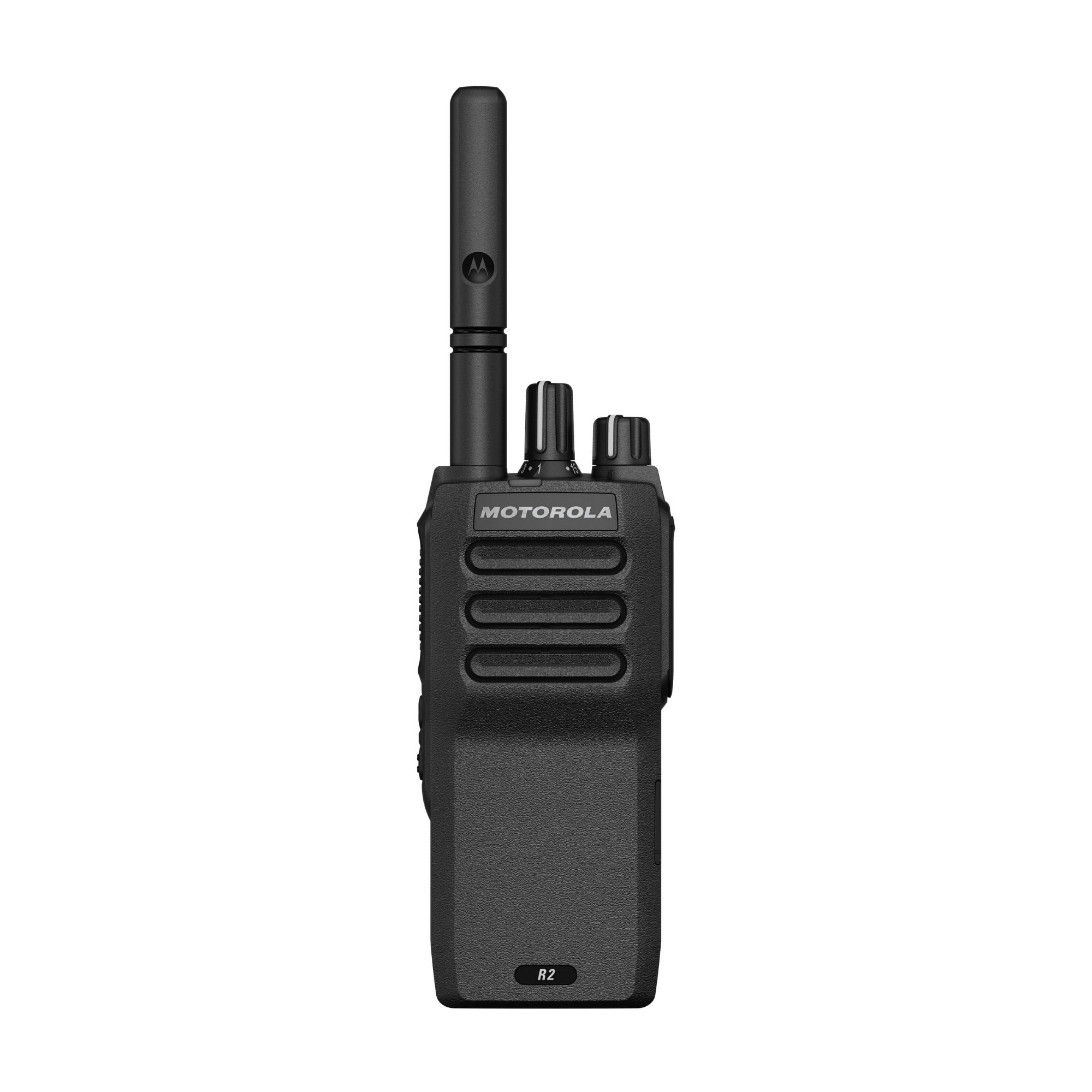
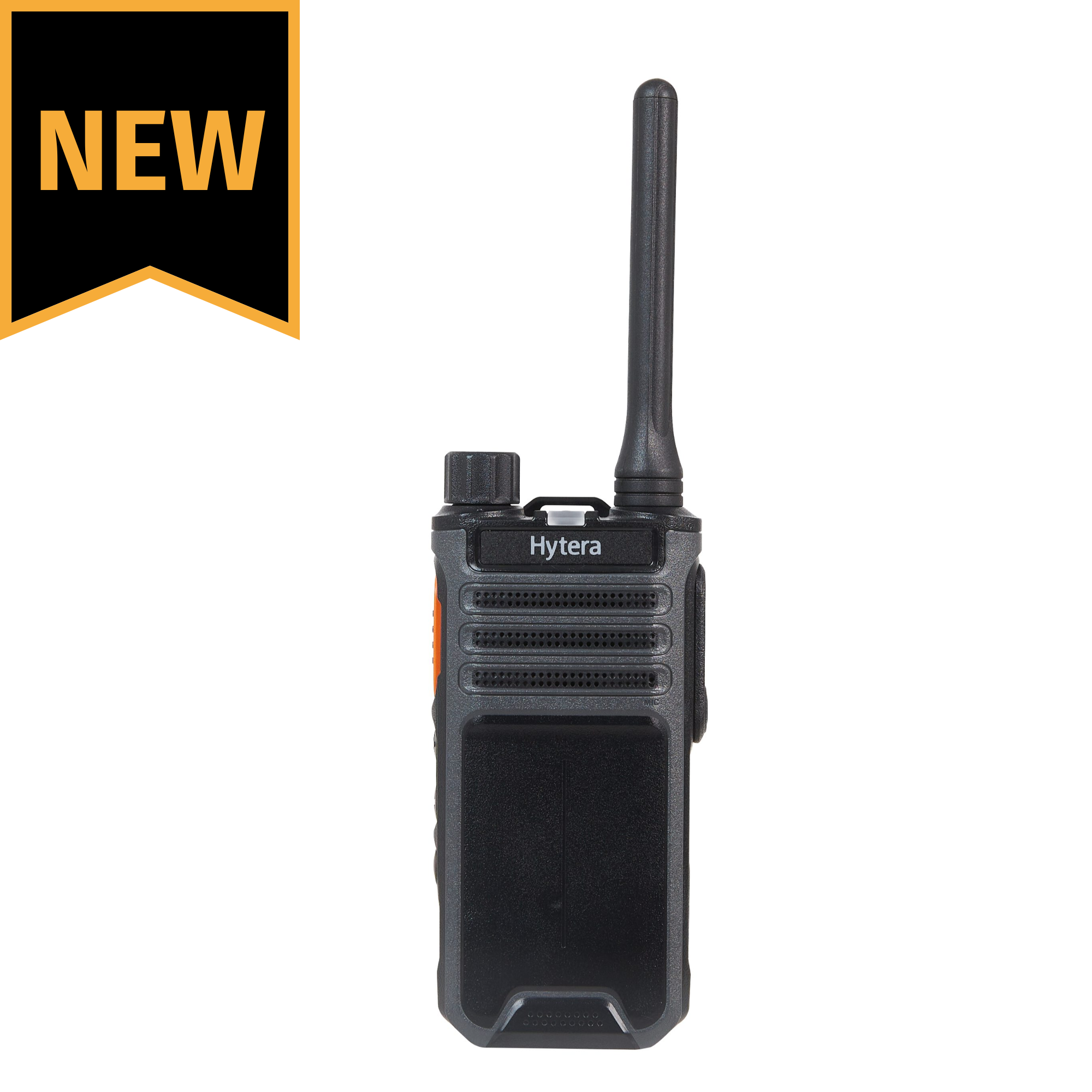
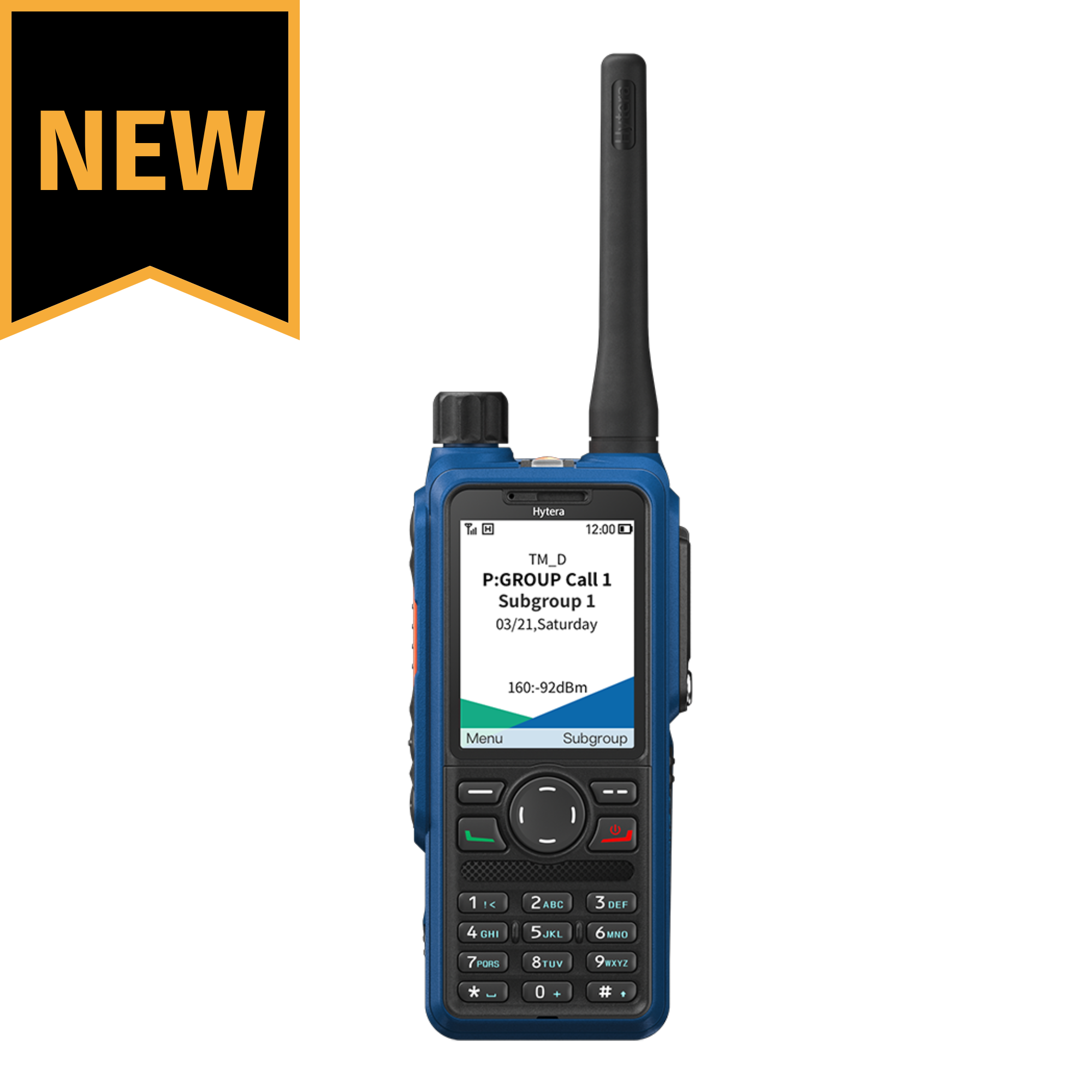
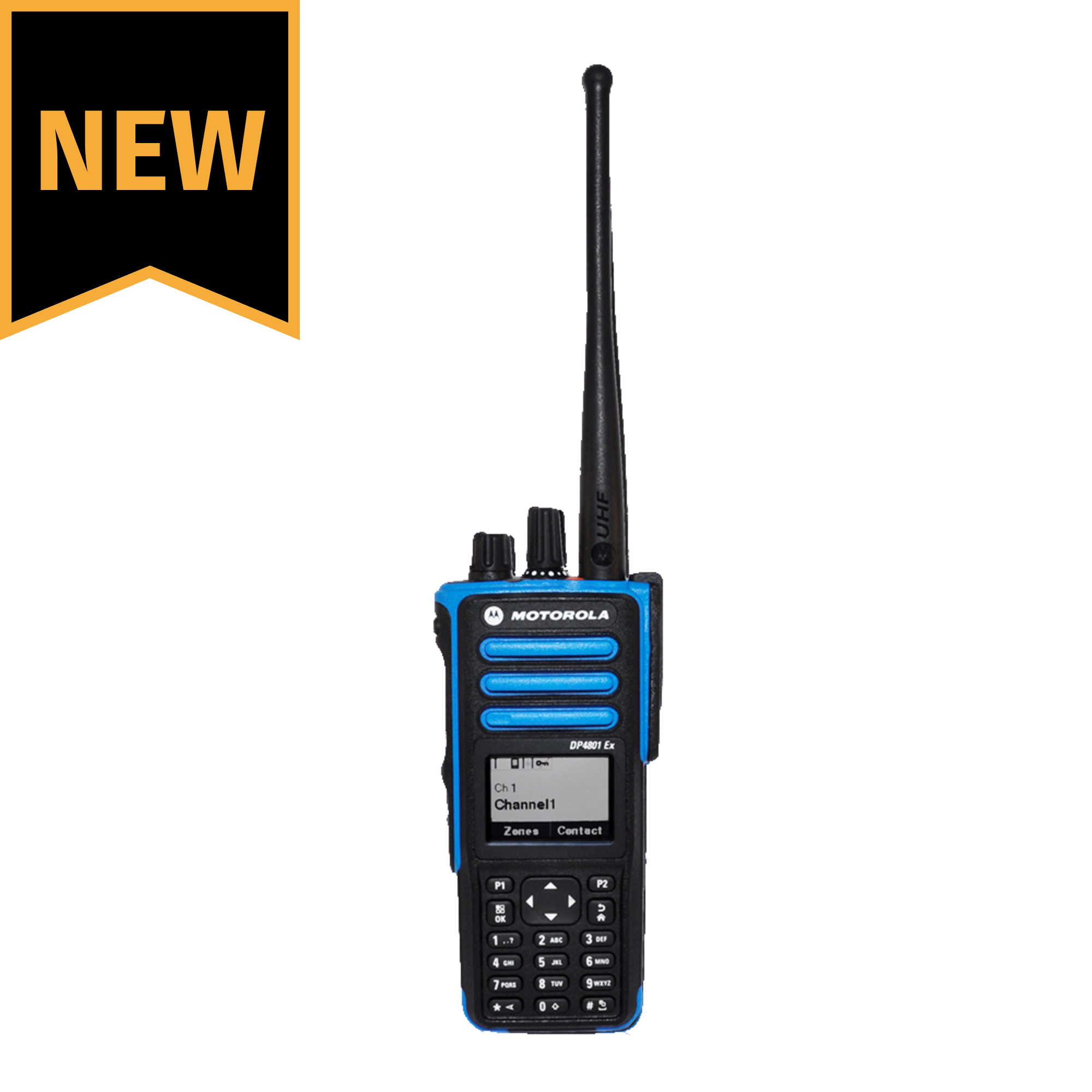
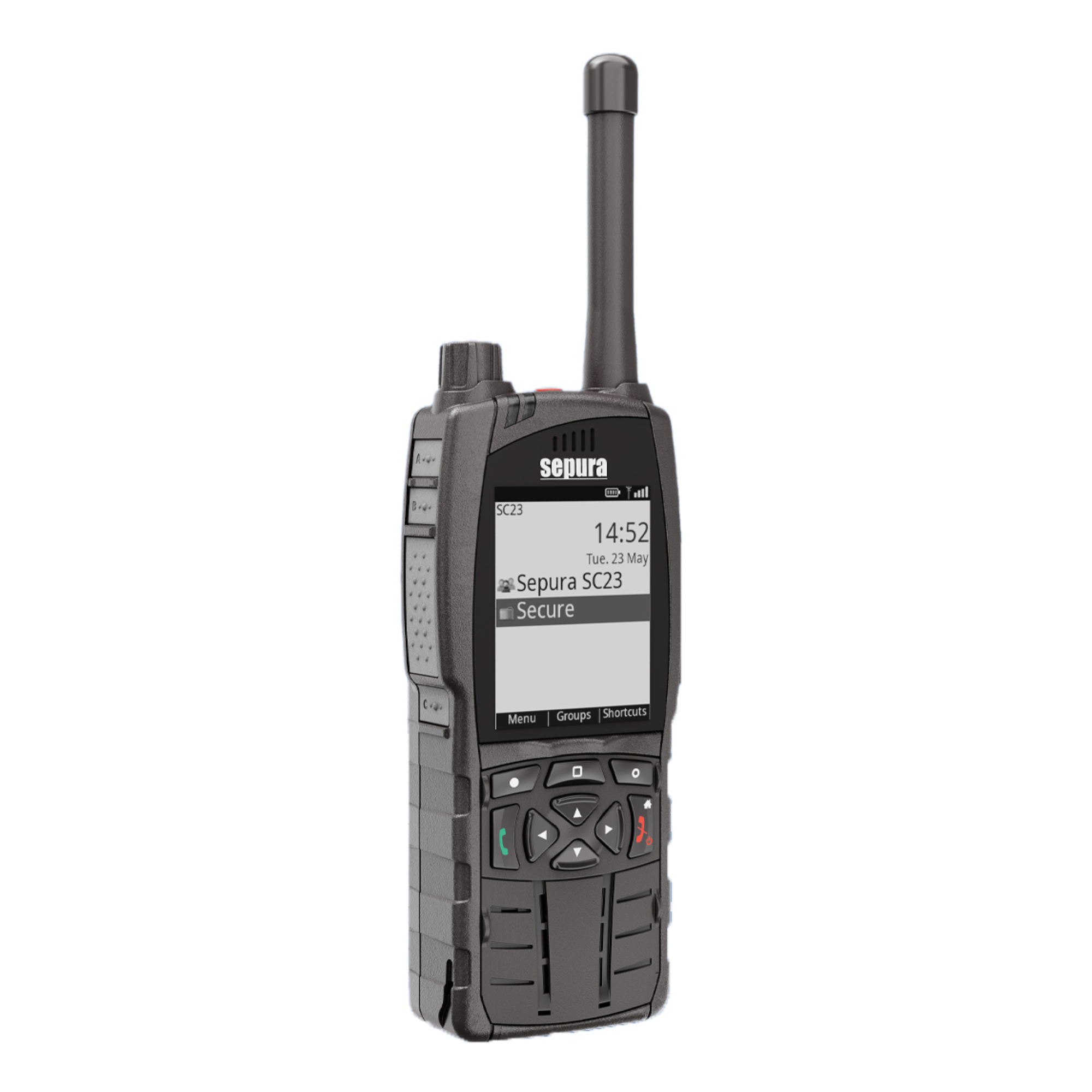
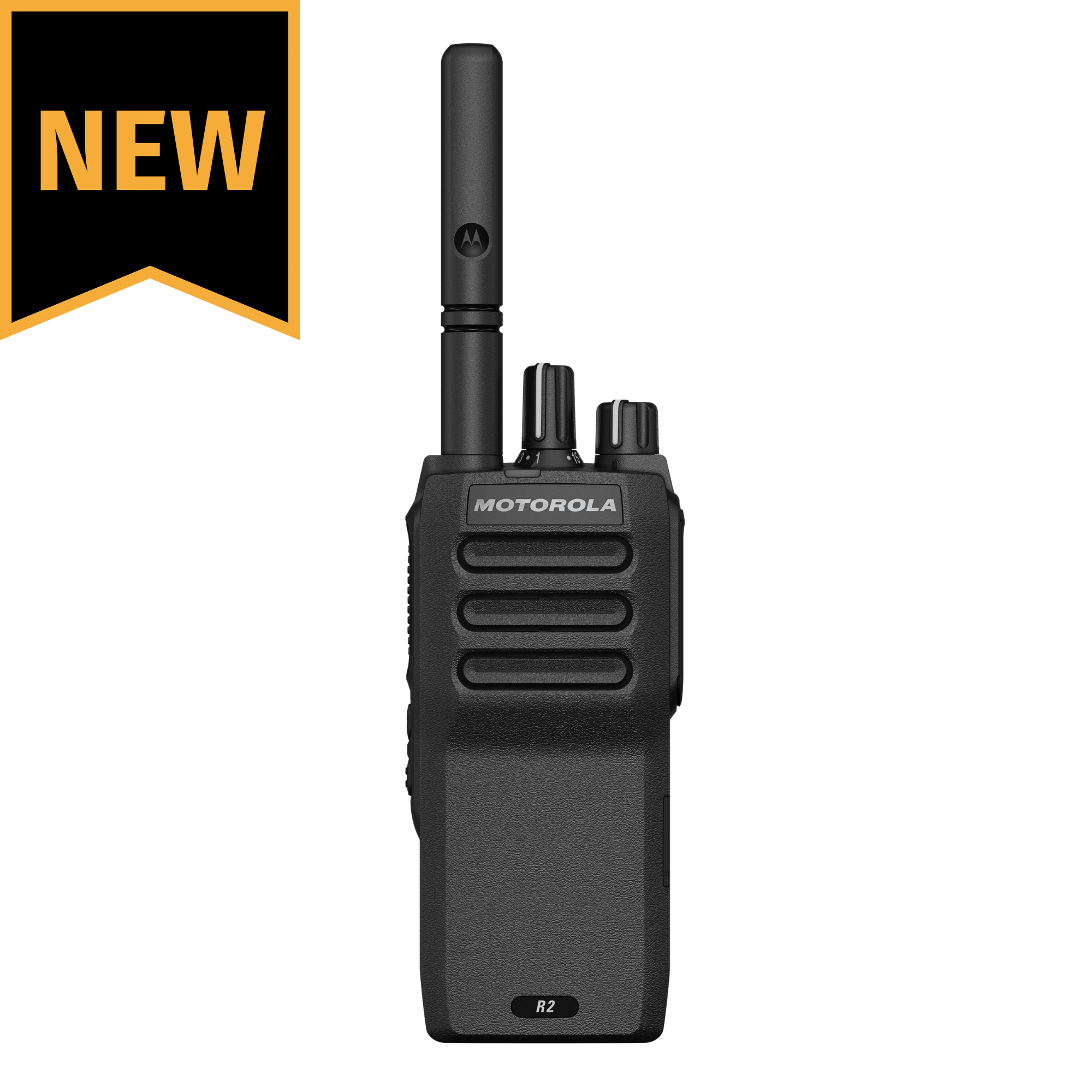
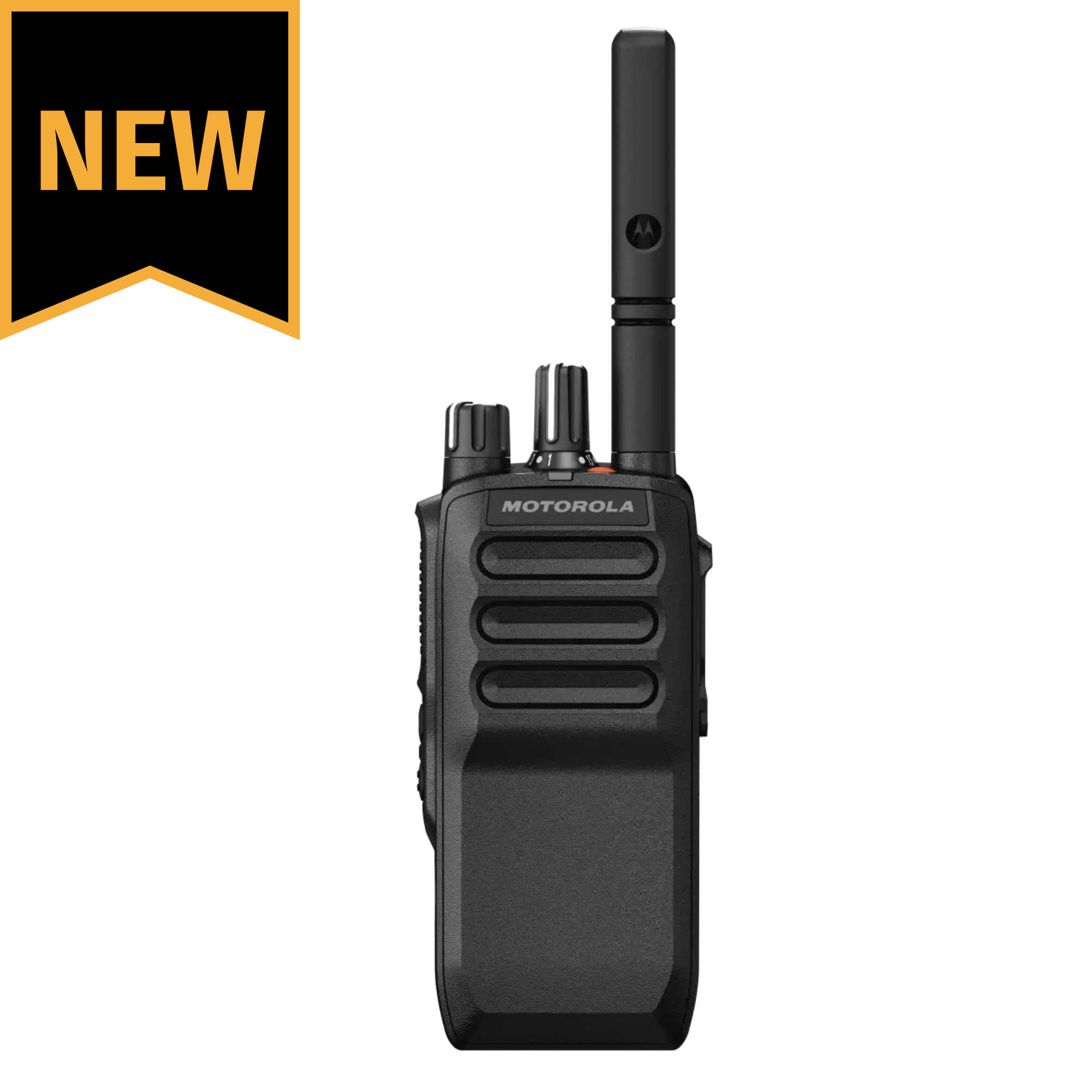
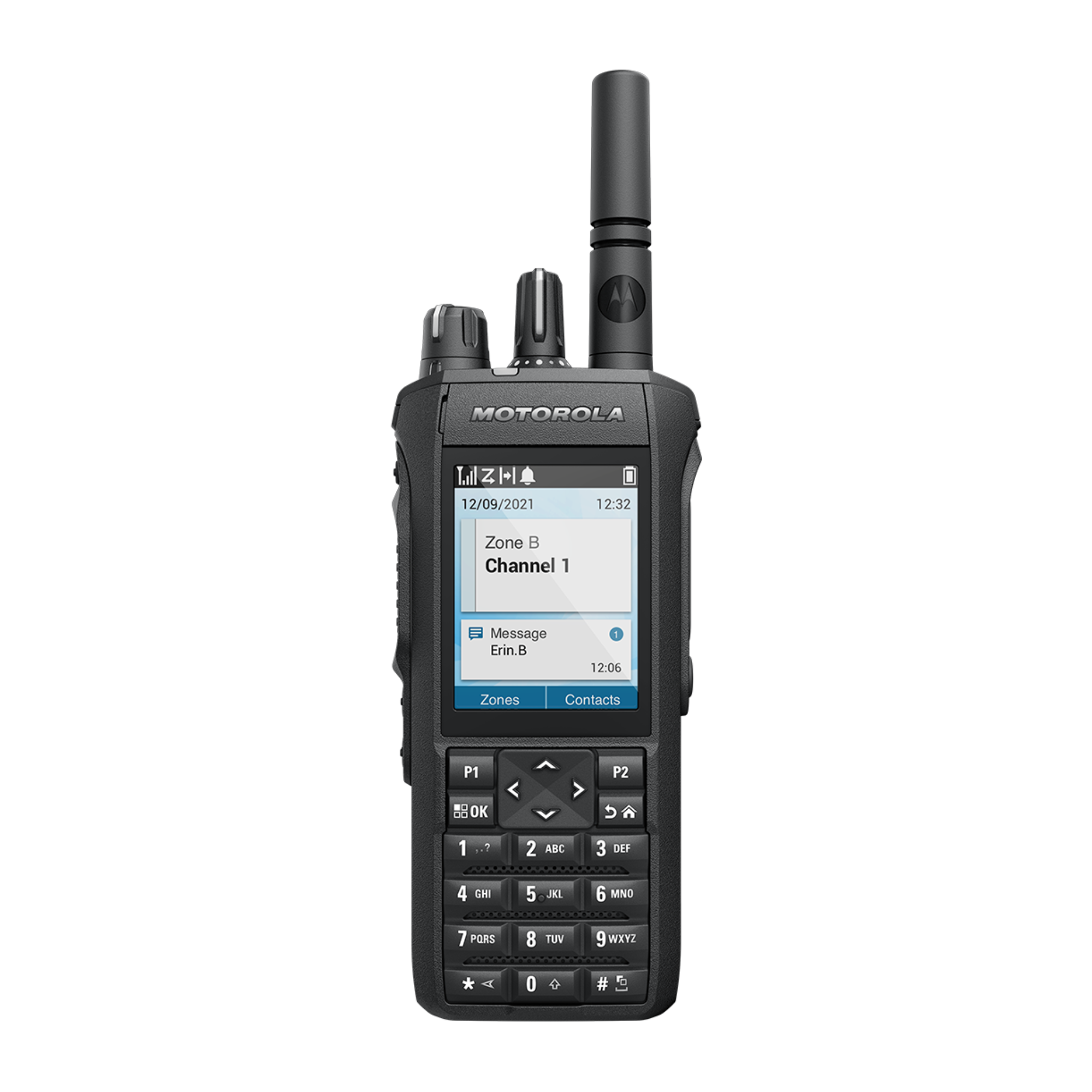
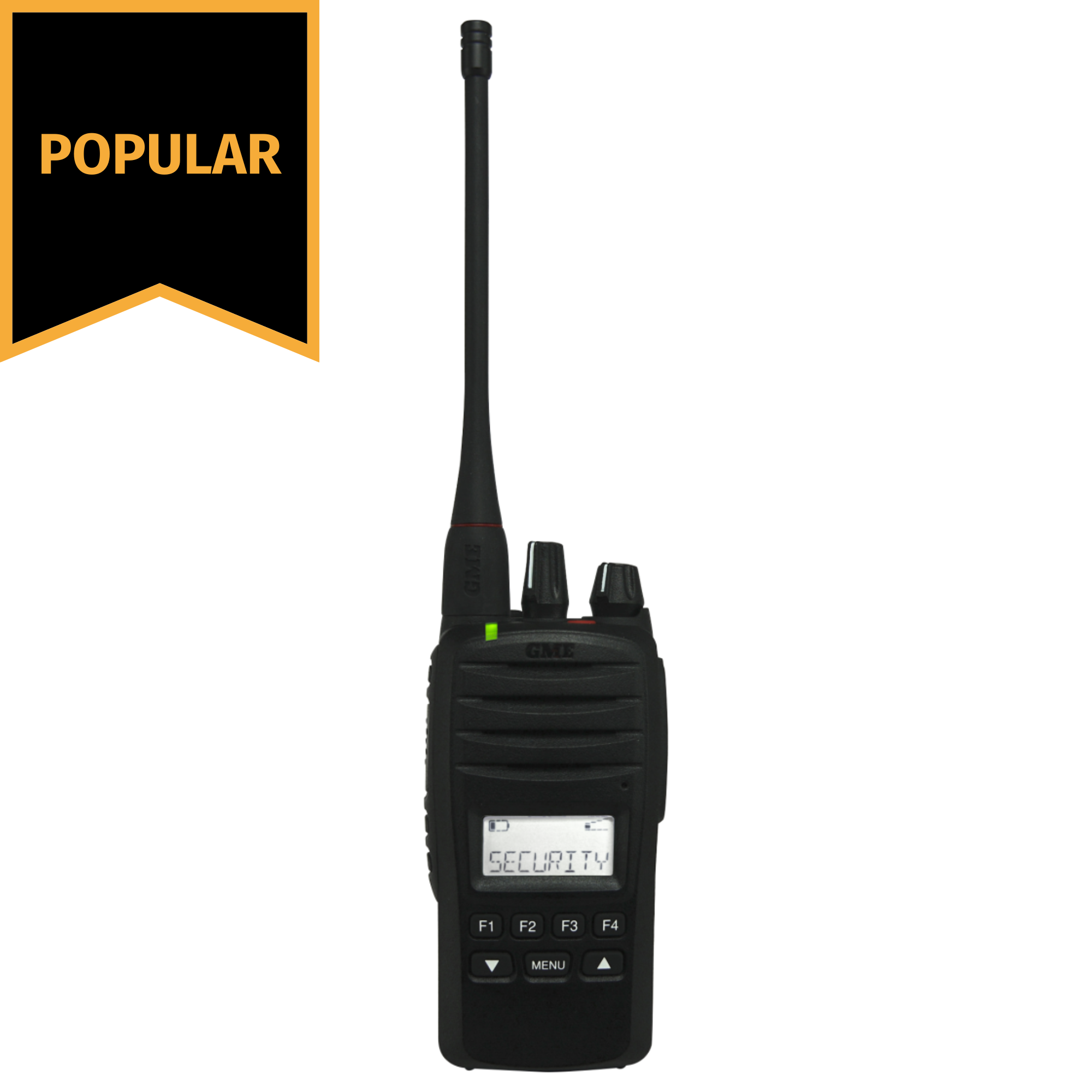
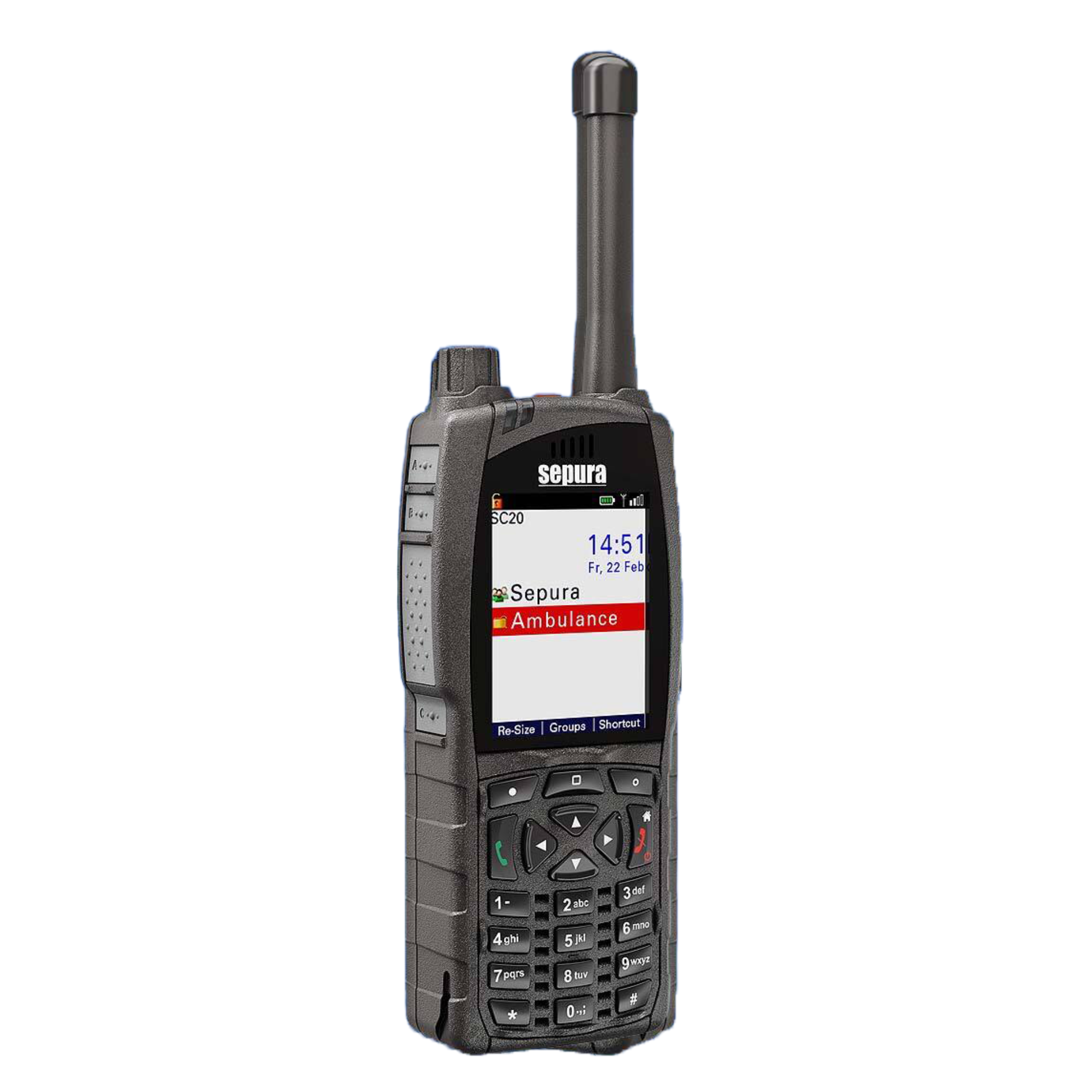
Radio coverage and reception is determined by a wide variety of factors. 5W high power output long-range two-way radios provide reliable communications by bolstering signal strength. Other determining factors can include utilising UHF or VHF frequency ranges to boost either radio range or signal obtrusion penetration.
Traditional radio signals are limited by horizon and terrain. Our Satellite Push-To-Talk technology leverages Low Earth Orbit (LEO) satellite constellations to provide instant, global voice communication.

VHF frequency (136-174MHz) ranges provide a small-bandwidth longer-wavelength communication frequency. This results in longer range and better obstacle penetration, but limits functionality and private frequency compared to UHF alternatives. UHF1 (400-470MHz) allows wider data range and channels, and UHF2 (450-520MHz) provides designated bandwidth operation for high-interference areas.
Download technical manuals, coverage maps, and whitepapers to optimize your communication network.
Complete step-by-step PDF for initializing satellite PTT devices.
High-resolution map of LEO satellite availability zones.
Whitepaper on AES-256 implementation for secure comms.